The Supreme Court and Collegium System Explained: UPSC Polity Guide
The Supreme Court anchors more prelims questions than any other institution after Parliament, and the collegium controversy keeps it permanently current. This one-pager fixes the articles, the composition, the collegium mechanics and the appointment debate. Therefore, read the table first, then the notes, then the drill.
- Constitutional Anchors
- Composition and Strength
- The Jurisdiction Map in Brief
- The Collegium Story
- Five-Question Drill
- FAQ
- Is the collegium in the Constitution?
- Why did the commission fail?
- The Thirty-Second Recap
- Explain It Simply
- Rapid-Fire
- Abbreviations
- Two Landmark Cases to Pair with the Page
- The Interview Angle
- The Composition Details That Trip Papers
- The Master of the Roster Note
- PIL in Two Lines
- A Closing Walk Through the Court
- Ten-Question Sprint
- The PYQ Pattern Note
- The Court in the Current-Affairs Mirror
- The Final Word
- Key Takeaways
- The Bedtime Version
- The Framework Line
- Related reading
Contents: constitutional anchors, composition and jurisdiction, the collegium story, PIL and powers, drill and mains framing.
Constitutional Anchors
| Item | Article | One-Line Note |
|---|---|---|
| Court established | 124 | Union’s apex court under the Constitution |
| Appointment of judges | 124(2) | President consults chief and senior judges |
| Tenure | 124(3)-(4) | Until 65; removal by special majority process |
| Original jurisdiction | 131 | Centre-state and inter-state disputes |
| Advisory jurisdiction | 143 | President may refer questions of law |
| Review and curative | 137 and inherent | Review by statute, curative by doctrine |

Composition and Strength
- Sanctioned strength: thirty-four judges including the Chief Justice of India.
- Qualifications: citizen, high-court judge for five years or advocate for ten, or an eminent jurist.
- Salaries and conduct debate stay protected from ordinary legislative vote.
- The court sits in benches, with constitution benches of five or more.
The Jurisdiction Map in Brief
- Original: federal disputes straight to the apex.
- Writ: enforcement via Article 32 for fundamental rights.
- Appellate: constitutional, civil and criminal ladders climb here.
- Advisory: references the President makes; opinions not binding.
- Review: its own judgments, on limited grounds.

The Collegium Story
Three cases built the collegium. The First Judges Case of 1981 tilted appointments toward the executive; the Second of 1993 primed the Chief Justice’s view; the Third of 1998 formalised a collegium of the Chief plus four seniors. Therefore, the memorandum of procedure guides each recommendation round. However, the Ninety-Ninth Amendment and its commission were struck down in 2015 for judicial independence defects, restoring the collegium. Consequently, mains answers cite the three-case ladder plus the commission’s fall as one narrative arc.
The collegium is judge-made constitutional law that survives because Parliament’s alternative fell first.
Five-Question Drill
- The Supreme Court’s sanctioned strength: the answer is thirty-four, CJI included.
- Retirement age of a Supreme Court judge: the answer is sixty-five.
- The collegium’s senior-most four accompany: the answer is the Chief Justice of India.
- The advisory jurisdiction flows from: the answer is Article 143.
- The judicial commission amendment struck down in 2015: the answer is the Ninety-Ninth.
FAQ
Is the collegium in the Constitution?
No text names it; the doctrine arose from the Judges cases, and that distinction earns marks.
Why did the commission fail?
The Thirty-Second Recap
One court. Thirty-four robes. Therefore, anchor 124. Consultation grew into primacy. Three cases built it. Moreover, 143 advises. 137 reviews. 32 enforces. However, the commission fell in 2015. Finally, the collegium rules appointments. Say the ladder. Bank the ladder.
Explain It Simply
The Supreme Court is the country’s final referee. When Parliament wrote the rulebook, it said the government appoints referees after consulting the top referee. However, court cases turned that consultation into near-control, and now the top five referees pick new ones together – that group is the collegium. Moreover, Parliament once built an appointments commission instead, but the referees ruled it unfair to their independence in 2015. Therefore, the old way stands, the debate stands with it, and exams test every step of that little history.
Rapid-Fire
- Strength: 34, CJI included.
- Retirement: 65.
- Established: Article 124.
- Advisory: Article 143.
- Review: Article 137.
- Judges cases: 1981, 1993, 1998.
- Commission struck: 2015, 99th Amendment.
- Constitution bench: 5 or more.
Abbreviations
- SC: the Supreme Court.
- CJI: Chief Justice of India.
- HC: high court.
- PIL: public interest litigation.
- NJAC: the fallen commission.
- MoP: memorandum of procedure.

Two Landmark Cases to Pair with the Page
Moreover, two cases travel with this block into every mains answer. The Kesavananda Bharati line runs through the basic structure doctrine, which later benches used to test amendment powers – the court’s own appointment story belongs to the same independence thread. Therefore, when mains asks how judicial independence evolved, the answer walks: the 1981 tilt, the 1993 primacy, the 1998 collegium, the 2015 commission fall – four dates, one thread. However, the second case, the Second Judges matter itself, is the thread’s hinge, and naming it precisely separates trained answers from memorised ones.
Furthermore, the court’s advisory opinion on the Berubari reference shows Article 143’s soft power: opinions bind no one yet shape everything. Consequently, a mains paragraph citing one advisory reference reads as constitutional maturity, which is exactly the register the top band rewards.
The Interview Angle
Finally, boards ask one predictable question here: should judges pick judges? The trained answer holds both horns – independence needs distance from the executive, however accountability needs sunlight too – and closes with the transparency steps the collegium has itself announced. Therefore, rehearse that sixty-second answer aloud once this week, because spoken balance survives boardrooms better than memorised verdicts.
The Composition Details That Trip Papers
- The sanctioned strength of thirty-four includes the Chief Justice.
- A high-court judge rises after five years of service there.
- An advocate qualifies after ten years of high-court practice.
- The eminent-jurist route has stayed unused in practice.
- Removal needs a special majority in both Houses, with proved misbehaviour or incapacity.
The Master of the Roster Note
Moreover, the Chief Justice remains the master of the roster, assigning benches and constituting constitution benches – a convention examiners test by phrase. However, the roster’s discretion stays administrative, not judicial, and that distinction separates a studied answer from a guessed one. Therefore, pair the phrase with its nature, and the pair banks a statement question on sight.
PIL in Two Lines
Furthermore, public interest litigation relaxed locus standi so that letters could become petitions, and the court’s PIL docket now carries constitutional governance into places writs once could not reach. Consequently, mains answers cite PIL as the court’s accessibility revolution, one line, one phrase, one mark.
A Closing Walk Through the Court
Finally, close the page with the court’s working day imagined once. Morning benches hear ladders of appeal; a constitution bench convenes for weightier questions; the advisory desk holds a presidential reference in queue. Meanwhile, the registry manages the master roster’s assignments, and the collegium’s file moves between consultation and recommendation. Therefore, one imagined day fixes every institution this page names, because facts with addresses outlast facts on lists. Moreover, tomorrow’s polity daily walks next door to the high courts, and the pair will share half their facts, as neighbours do.
Ten-Question Sprint
- The court’s establishment article: the answer is 124.
- Sanctioned strength: the answer is 34.
- Retirement age: the answer is 65.
- Advisory article: the answer is 143.
- Review article: the answer is 137.
- First Judges Case year: the answer is 1981.
- Collegium-forming case: the answer is the Third, 1998.
- Commission struck down: the answer is NJAC, 2015.
- Constitution bench size: the answer is five or more.
- Master of the roster: the answer is the Chief Justice.
The PYQ Pattern Note
Moreover, polity papers pair the court with the President’s appointment powers, because both walk the same consultation clause. However, the court’s story turns consultation into primacy while the President’s stays advice-bound, and that asymmetry frames half the chapter’s questions. Therefore, revise the pair in one sitting, and mains essays on independence write themselves around it. In addition, interview boards extend the pair with one question about transparency, and the sixty-second balanced answer rehearsed earlier stands ready.
The Court in the Current-Affairs Mirror
Moreover, this block never sits still, because appointment debates, landmark benches and roster rows keep the court permanently in headlines. Therefore, one revision habit keeps the page fresh: whenever the news names a bench, ask which jurisdiction it exercises – original, appellate, writ or advisory – and the classification drill runs itself weekly. However, mains rewards the deeper mirror: the court as a policy actor through PIL, as a federal referee through Article 131, and as a constitutional guardian through the basic structure line. Consequently, three mirrors, one court, and every current-affairs item about the bench finds its frame in one of them.
Furthermore, the collegium’s transparency steps – publishing reasons, disclosing criteria – give interview boards their favourite follow-up, and the balanced rehearsed answer from earlier closes it. Therefore, the page ends where it began: with consultation that grew into primacy, guarded by independence that must still earn its sunlight, and that single sentence is the block’s whole biography.
The Final Word
Therefore, walk the imagined day once more tonight, and the court’s facts will file themselves the way its registry does – by address, not by pile.
Key Takeaways
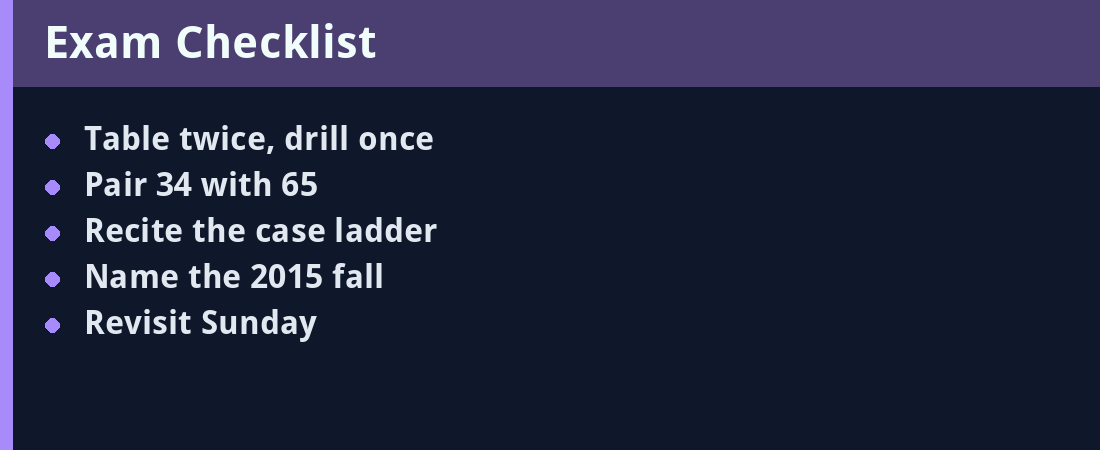
In conclusion, hold the article table, the 34-65 pair, and the three-case collegium ladder with the 2015 fall. To summarize, text plus doctrine plus controversy frames this block. Therefore, revise the table twice this week and drill once; the apex court banks quietly every cycle.
References: the Constitution, Articles 124-147, and the Judges case reports.
The Bedtime Version
The court is the last desk in the land. However, who sits at the desk became a fight. First the government said: we pick, after a chat. Then the desk said: our chat now leads. Three cases grew that rule, step by step. Moreover, five seniors now pick the new ones, and that group has no name in the book itself. However, the government once built a panel instead, and the desk struck it down as unfair to its own arm. Therefore, the old rule stands, the debate stands with it, and exams love every step of that small war.
The Framework Line
Moreover, appointments run on a protocol of consultation: validation through the collegium’s recommendation, authorization by the President’s warrant, and compliance with the memorandum’s procedure – one framework from proposal to oath.
Related reading
- Time, Speed and Distance Shortcuts: Relative Speed, Trains and Boats in 4 Solver Frames
- Payment Systems in India: NEFT, RTGS, IMPS, UPI Compared — Banking Awareness for SSC, UPSC & Bank Exams
Quick revision
- Sanctioned strength: thirty-four judges including the Chief Justice of India.
- Qualifications: citizen, high-court judge for five years or advocate for ten, or an eminent jurist.
- Salaries and conduct debate stay protected from ordinary legislative vote.
- The court sits in benches, with constitution benches of five or more.
- Original: federal disputes straight to the apex.
- Writ: enforcement via Article 32 for fundamental rights.
Have a doubt on this topic?